Royal Bengal Tiger and Mangrove Ecosystem - are they interrelated?
Why the Mangrove Forest is the Royal
Bengal Tiger Habitat? Is it only a natural consequence or there is some impact
of the mangrove system on the nature of the Royal Bengal Tiger?
The Sundarbans is famous for its Royal Bengal Tigers,
winding creeks, dense mangrove forests, and remarkable biodiversity. Here, the
tiger is more than a magnificent predator.
But what makes this Royal Bengal Tiger and Mangrove
Ecosystem relationship so special? How does the mangrove forest support the
tiger? What is the importance of Importance of Mangrove Forests and why does
protecting this unique habitat matter for the future of wildlife? Before you
plan for a Sundarban tour to enjoy Tiger Tourism, let’s know more about the
topic.
The Sundarban: A
World ruled by Tides
Sundarban is housed on a big
delta near the confluence of the Meghna, Ganges, and Brahmaputra Rivers. Mangrove
trees thrive under these difficult conditions. Their specialised roots help
them survive in waterlogged, oxygen-poor soils. Most of the Mangrove flora can also tolerate high
salinity. The Sundarban Mangrove Forest Ecosystem provides several natural
benefits:
- It offers shelter and
breeding grounds for numerous aquatic and terrestrial species.
- Its roots trap sediments
and help stabilise shorelines.
- It stores carbon in its
vegetation and waterlogged soils.
- It supports fish, crabs,
molluscs, and other organisms that form part of local food webs.
- It helps reduce the impact
of waves and coastal erosion in many locations.
This complex environment supports
the Royal Bengal Tiger and it makes Royal Bengal Tiger and Mangrove Ecosystem
relation so unique. However, the tiger must constantly adapt to changing tides,
muddy terrain, and the challenges of finding food and shelter. The mangrove
forest is not simply the tiger's home. It is the foundation of the habitat that
allows the animal to survive.
Before you plan for a SundarbanTour, you need to understand the impact of Mangrove environment on the survival
of the tiger, the fiercest predator of this wild habitat.
Royal Bengal Tiger: Why are They Unique?
Tiger Tourism is one of the most talked-about attractions of
Sundarban Tour. But candidly, it’s nearly impossible to get a glimpse of this
striped Big Cat on Sundarban Tour.
Mangrove Forest ecosystem, it is believed, has exerted its adversity on
this tiger clan, which has made them more invincible and fiercer.
No matter if you can or cannot see a Royal Bengal Tiger in
Sundarban tour, you can always be thrilled knowing the unique features of Royal
Bengal Tigers.
·
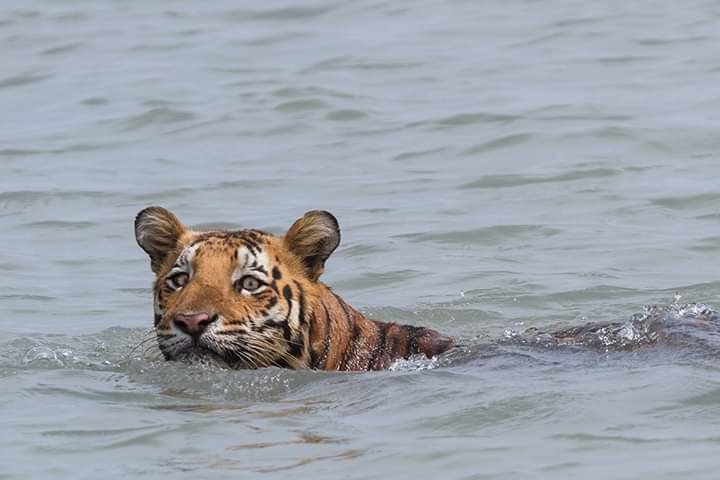
Swimming ability: Water channels form
part of their everyday landscape.
·
Adaptability: They survive in a tidal
environment with shifting terrain.
·
Hunting skills: They rely on stealth,
patience, and powerful bursts of speed.
·
Territorial behaviour: They need
sufficient habitat and prey to maintain their territories.
The survival of Royal Bengal Tiger depends heavily on the
health and continuity of the Mangrove Ecosystem: it makes Royal Bengal Tiger
and Mangrove Ecosystem relation reciprocal.
Mangrove Forests
Support the Tiger's Food Chain
Mangrove ecosystems support complex food webs. Leaves,
algae, and other organic matter provide energy for small organisms. Royal
Bengal Tiger in Sundarban survives on natural food, which include spotted deer,
wild boar, and other suitable animals. But the Mangrove Forest Ecosystem plays
a significant role in maintaining a natural food chain.
·
Mangrove Vegetation: Provides the
foundation for many food webs and creates important habitat.
·
Small Organisms: Break down organic
matter or feed on plant material and algae.
·
Fish And Crustaceans: Support aquatic
food webs and local fisheries.
·
Herbivores And Omnivores: Feed on
vegetation or other available food sources.
·
Royal Bengal Tigers: Hunt suitable prey
and influence the behaviour and distribution of other animals.
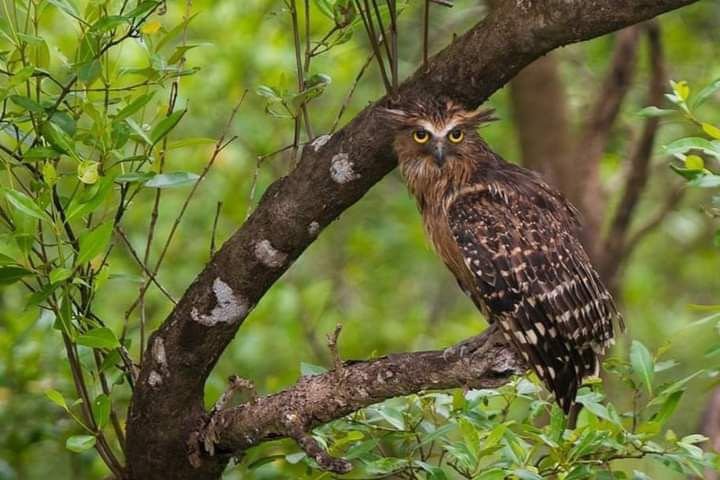
The Royal Bengal Tiger is a powerful symbol of Sundarban and
one of the prime foci of Sundarbans Wildlife Conservation schemes, but its
survival depends on the health of the entire forest and its wider network of
ecological relationships.
Protecting the Mangroves: A Shared Responsibility
Conservation in the Sundarbans requires long-term planning
and cooperation. Protecting tiger habitat is not limited to preventing
poaching. It also involves maintaining the conditions that allow the forest to
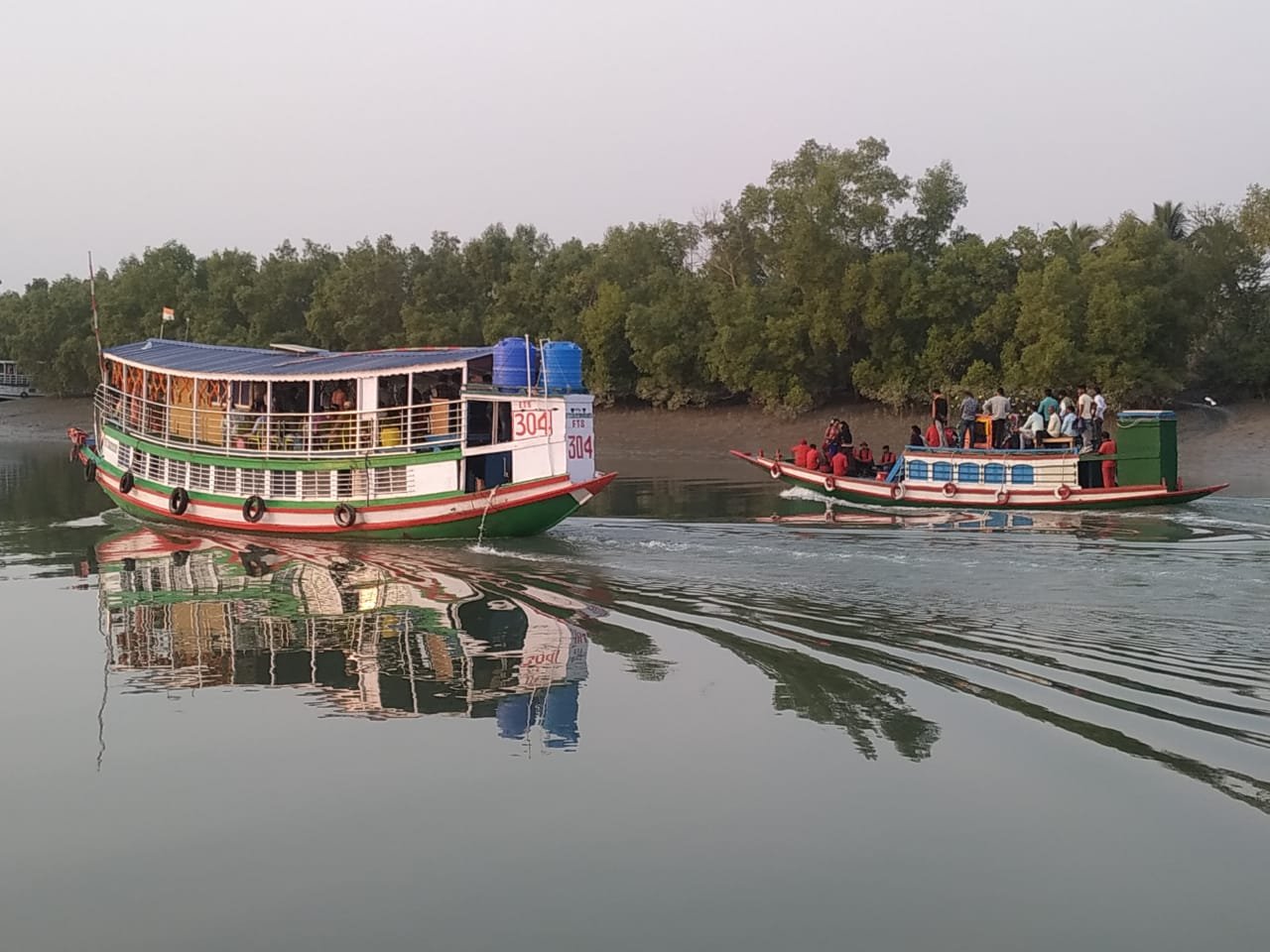
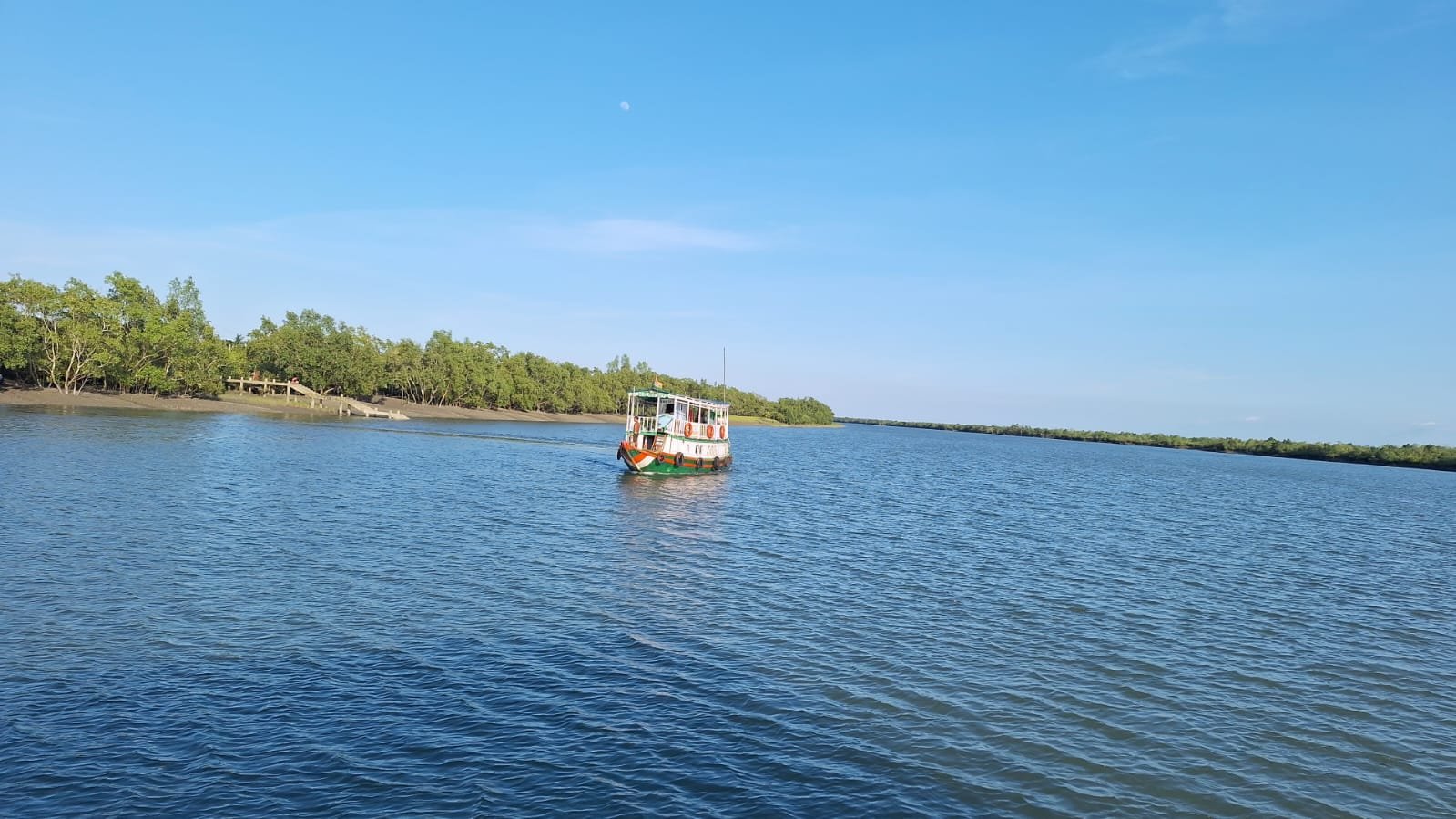
regenerate and wildlife to thrive. Boat
Safari is one such Sundarban tourism authority endeavour to make the Sundarban
Wildlife observation exciting and interesting in a passive way.
- Protect Wildlife Habitats: Maintain
important forest areas and reduce harmful disturbance. Watchtower tours
are beautiful ways to watch and observe wild animals without disturbing
their natural life.
- Support Local Communities: Encourage
sustainable livelihoods and community participation in conservation. It
helps limiting the corruption of poaching.
- Promote Responsible Tourism: Follow Forest
regulations and avoid activities that disturb wildlife.
- Reduce Pollution: Prevent waste from
entering rivers, creeks, and coastal habitats.
Tourists can contribute by choosing responsible tour
operators, following wildlife guidelines, and respecting restrictions in
protected areas.
Conclusion: Indulge Responsible Tiger Tourism
It is important to understand Royal Bengal Tiger and
Mangrove Ecosystem relation to get the real vibe of Sundarban. To organize a
sustainable and responsive Sundarban tour you should buy Sundarbantour package from a responsible Sundarban Tour Operator.
For professional tour assistance in Sundarban, please call:
FAQs
Why do Royal Bengal Tigers live in mangrove forests?
Mangrove forests offer perfect shelter for Royal Bengal
Tigers. Tigers find shelter, prey, freshwater sources, and natural protection
for survival here.
In which way the Mangrove Ecosystem offers support for
Royal Bengal Tigers?
The Sundarban
Mangrove Forest offers shady areas, tidal waterways, and diverse wildlife.
These challenging conditions help tigers survive, hunt, and move according to
their hunting spree.
Why is Sundarban famous for Royal Bengal Tigers?
The Sundarban has one of the world's largest mangrove
forests and provides a native habitat for the Royal Bengal Tiger.
How do Royal Bengal Tigers adapt to the mangrove
environment?
These tigers can swim across tidal rivers, navigate muddy
terrain, and move through dense mangrove vegetation while hunting.
What animals share the mangrove ecosystem with Royal
Bengal Tigers?
Spotted deer, wild boars, fishing cats, crocodiles, monitor
lizards, snakes, and several bird species inhabit the Sundarbans.
How does climate change Impact Royal Bengal Tigers in the
Sundarban?
The
challenging climate changes like rising sea levels, coastal erosion, stronger
cyclones, and increasing salinity threaten mangrove habitats and tiger
survival.
Is it possible for tourists help to protect Royal Bengal
Tigers and mangrove forests?
Yes, it is
possible! Tourists can follow the pre-decided forest guidelines, avoid
littering, respect wildlife, choose responsible tour operators, and support
mangrove conservation initiatives.